

• • •
Each year I wait for the first morning when it feels possible to open the windows again. The act is small and faintly ceremonial. The latch lifted. The screen pressed outward. The slow exchange of air. And then the sound arrives. Birdsong layered and uneven, sometimes delicate, sometimes abrasive, always uninvited. It fills the room before any thought has time to organize itself around it.
We speak often about comfort as though it were an unquestioned good. Controlled temperature. Filtered light. Curated sound. The house becomes not as porous but as sealed, not as contingent but as optimized. It is easy to accept this as “progress.” Yet when the window opens and the outside enters, a quieter question follows. What have we gradually agreed to live without?
Various wondrous birds of many colors… such as white cranes, peacocks, parrots, kalavinkas, and jivamjivakas… sing forth harmonious and elegant sounds. Their sounds proclaim the five roots, the five powers, the seven factors of enlightenment, the eightfold path.
— The Smaller Amitabha Sutra
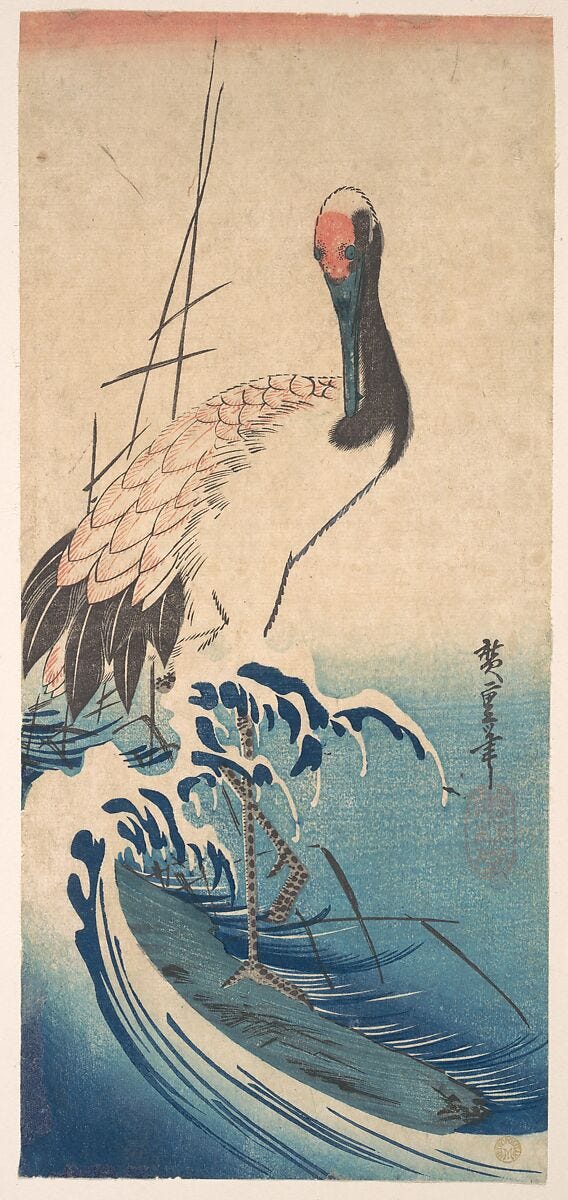
The Smaller Amitabha Sutra imagines a world in which sound itself becomes instruction. These birds, we are told, teach. Their voices are not ornamental. Enlightenment is not framed as withdrawal from the sensory world but as an intensification of it. The environment participates. The atmosphere carries meaning.
When I sit near an open window, the experience is less exalted. The air is uneven. Pollen drifts across the sill. Somewhere a dog insists on being heard. My back tightens in the chair. My attention fractures. I reach for my phone, then set it down again. The mind performs its familiar sorting. Pleasant. Annoying. Useful. Irrelevant. Listening turns, almost immediately, into evaluation.
Modern attention is trained toward more, more, and more. More efficiency. More clarity. More insulation from friction. Even leisure becomes strategic. Even quiet becomes instrumental. The sealed window promises consistency. It also promises a certain narrowing of experience.
Birdsong interrupts that promise. It arrives without being selected. It cannot be paused or replayed. It does not conform to personal schedules. In this way it exposes a subtle vulnerability. To open a window is to admit contingency. Weather might change. Noise might intrude. The boundary between self and world becomes less definite.
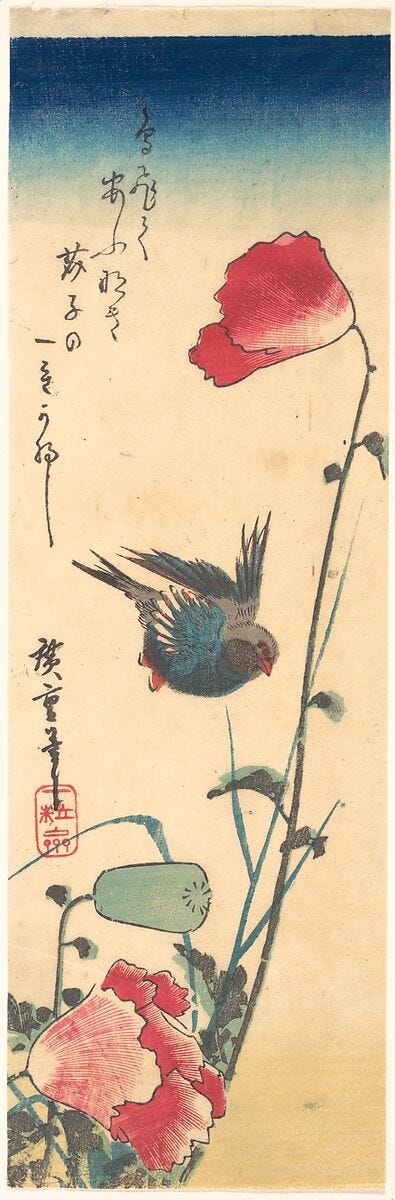
There is a passage in the sutra that deepens this tension. The Buddha explains that these birds “do not come from karmic retribution.” They exist through the compassionate power of Amitabha’s vow. Their singing is purposive without being transactional. It is instruction offered freely, without guarantee of reception.
What would it mean to inhabit a world where meaning arrives like that?
I notice how often I resist such encounters. The open window produces not only sensory richness but also discomfort. A subtle guilt arises. Time is being lost. Work is waiting. Deliverables accumulate in the background of awareness. The mind begins to rehearse its obligations. Emails. Meetings. Metrics. In this moment the birds are no longer teachers. They are distractions.
This resistance feels honest. It implicates me more than any generalized critique of modern life could. I am not observing a cultural problem from a distance. I am living inside its habits. When I return to the sutra after this recognition, its practices feel less like abstractions and more like responses to a difficulty I can now name.
Pure Land practice centers on the recitation of Amitabha’s name. Namo Amitabha Buddha. The practitioner generates sacred sound through repetition. Intention is focused. Trust is enacted through voice. Listening to birdsong creates a curious inversion of this structure. Instead of producing meaning, one receives it. Instead of asserting devotion, one attends.
Which requires more effort?
This inversion suggests that spiritual practice may not always involve adding something to experience. It may involve removing the filters that prevent experience from reaching us. The sealed window becomes a metaphor not only for domestic comfort but for cognitive habit. We protect ourselves from inconvenience and in doing so reduce the range of what can instruct us.
The sutra’s landscape is famously ornate. It speaks of “seven rows of balustrades, seven rows of netting, seven rows of trees.” Lakes shimmer with “waters possessing eight virtuous qualities.” Even flowers participate in the rhythm of awakening. “Day and night, six times, heavenly mandarava flowers rain down.” The imagery is abundant, almost excessive. Yet the most persistent feature remains auditory. The world is not merely seen. It is heard.
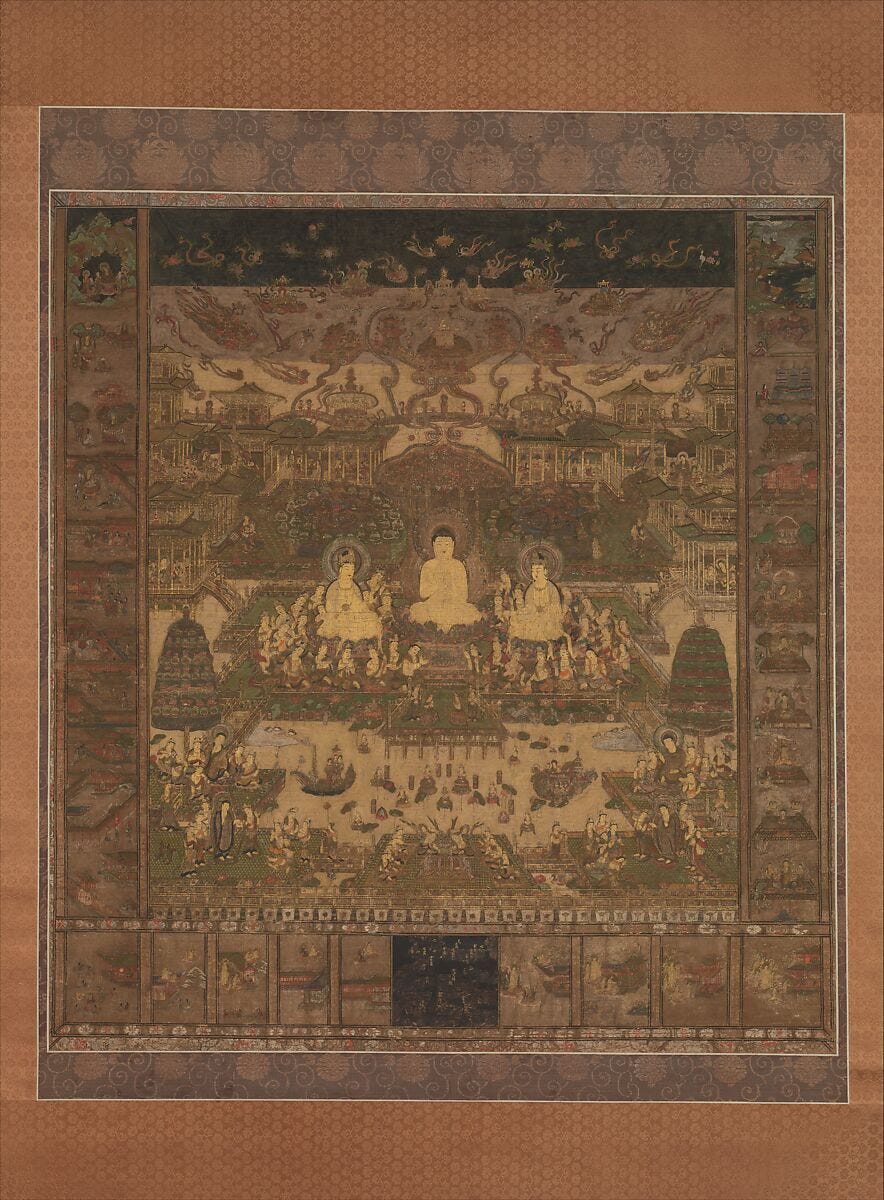
There is a philosophical risk here. Such descriptions can be read as escapist fantasy. A perfected environment imagined in contrast to the frustrations of ordinary life. But the presence of birdsong complicates that reading. Sound is already one of the most common elements of human experience. It does not belong exclusively to paradise. It belongs to rushed mornings and stalled afternoons. It belongs to parking lots and backyards and the thin margins between sleep and waking.
Perhaps the Pure Land vision does not ask us to reject this world but to reconsider how we inhabit it.
The open window disrupts the logic of total control. It introduces elements that cannot be fully anticipated. A sudden burst of sound. A change in wind direction. A pause that feels longer than it should. Discomfort appears not as failure but as condition. It asks whether limitation can sharpen perception. Whether exposure can produce forms of attention that sealed environments cannot sustain.
There are mornings when the experiment fails. I open the window and remain restless. The birds sing and nothing in me changes. My thoughts continue to orbit deadlines and obligations. The sacred does not reveal itself. The air feels merely cool. The sounds feel merely external.
And yet the act repeats. Not out of faith in a guaranteed outcome but out of curiosity. Can listening become a practice? Can contingency become a teacher?
The Smaller Amitabha Sutra does not provide a method for translating its jeweled imagery into suburban routines. It offers an orientation. A world in which awakening is not confined to interior states but distributed through the environment. A world where birds proclaim truths that human beings struggle to remember.
Here the birds continue to sing. Not as emissaries of a perfected realm. They sing because singing is what they do. Instruction may or may not be heard. The responsibility shifts quietly toward the listener.
I sit near the open window. The room fills with uneven sound. For a moment the usual distinctions blur. Useful and useless. Sacred and ordinary. Planned and contingent. I begin to suspect that the distance between this place and the Pure Land is not measured in geography or even in time. It may exist in the nearly invisible threshold between hearing and listening.
• • •