

Author’s Note: This essay has been updated from its original publication to incorporate additional historical details that came to light after the author encountered a research pamphlet compiled by Adeline Wharton (2013) and published by the Durand Union Station Michigan Railroad History Museum.
-Eric Chapman, March 11, 2026
This is why I always visit cemeteries everywhere I go. There is usually a story. And even when it is a gut wrenching sad story, it is an interesting story worth telling. The 1903 circus train wreck in Durand, Michigan, left behind one of the most haunting memorials I have ever encountered.
The Lovejoy Cemetery in Durand, Michigan, is easily one of the most beautiful I have been to. It was evening when I visited, and perfectly quiet minus the wind and two dueling mourning doves. Their hollow calls echoing across the headstones like some ancient conversation about loss and memory. The cemetery is old. A lot of the plots are in disrepair, but still beautiful in that way that only forgotten places can be, where time has softened the hard edges of grief into something almost peaceful.
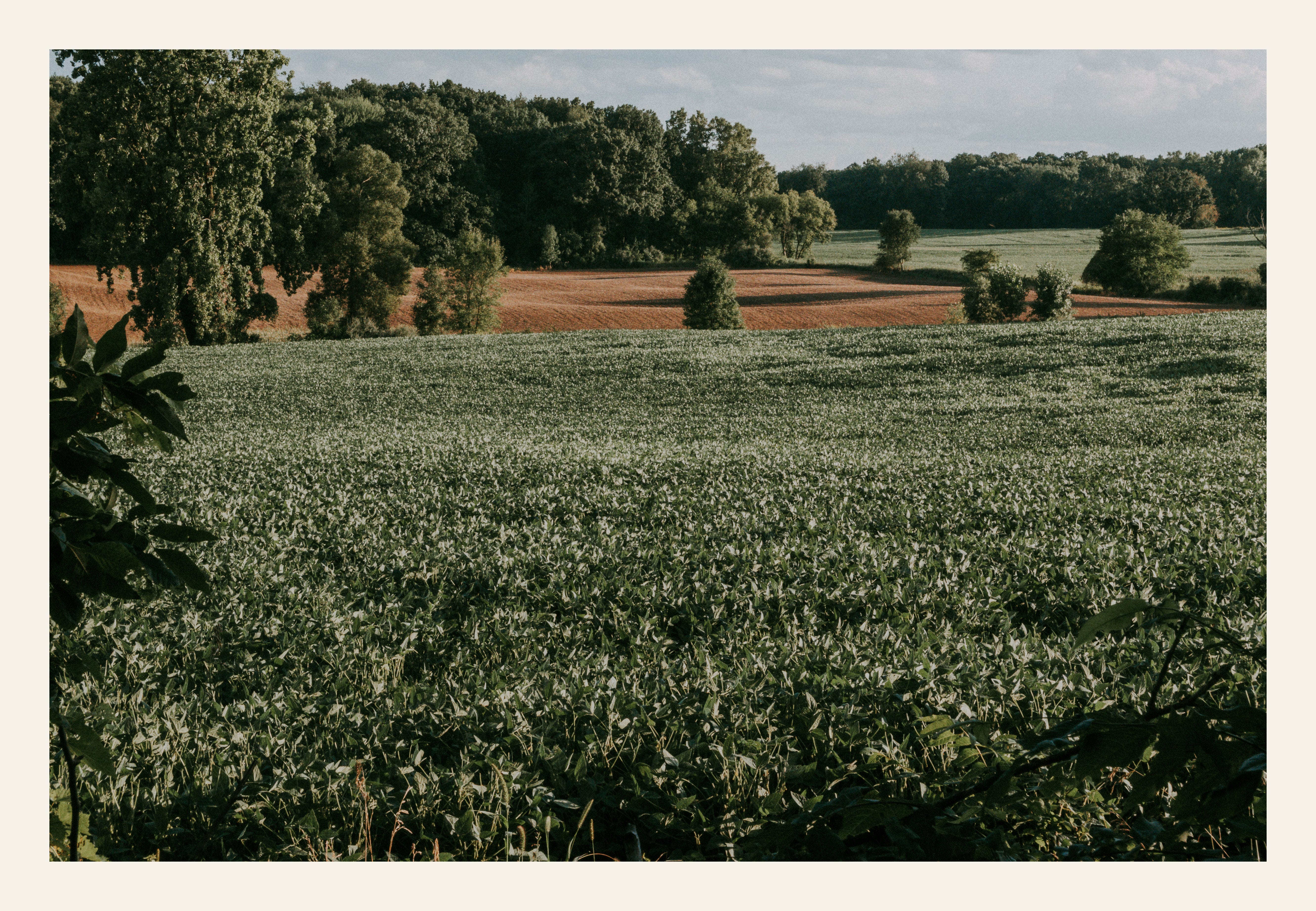
From the cemetery’s edge, you can see gorgeous farmland rolling away toward the horizon. Neat rows of soybeans and corn stretching into the distance like green waves frozen mid motion. It is the kind of view that makes you understand why people settle somewhere and decide to stay forever, even after forever comes calling.
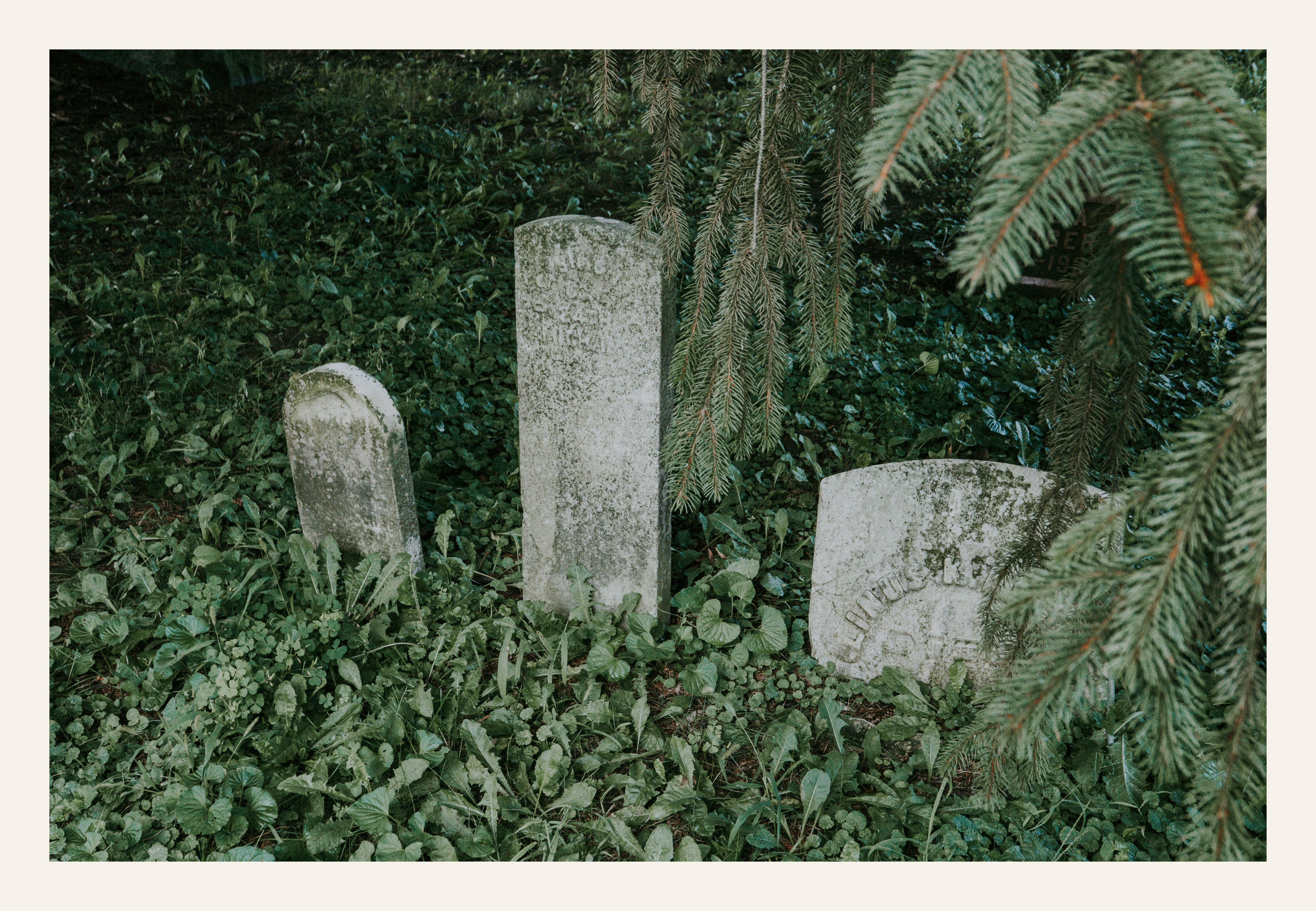
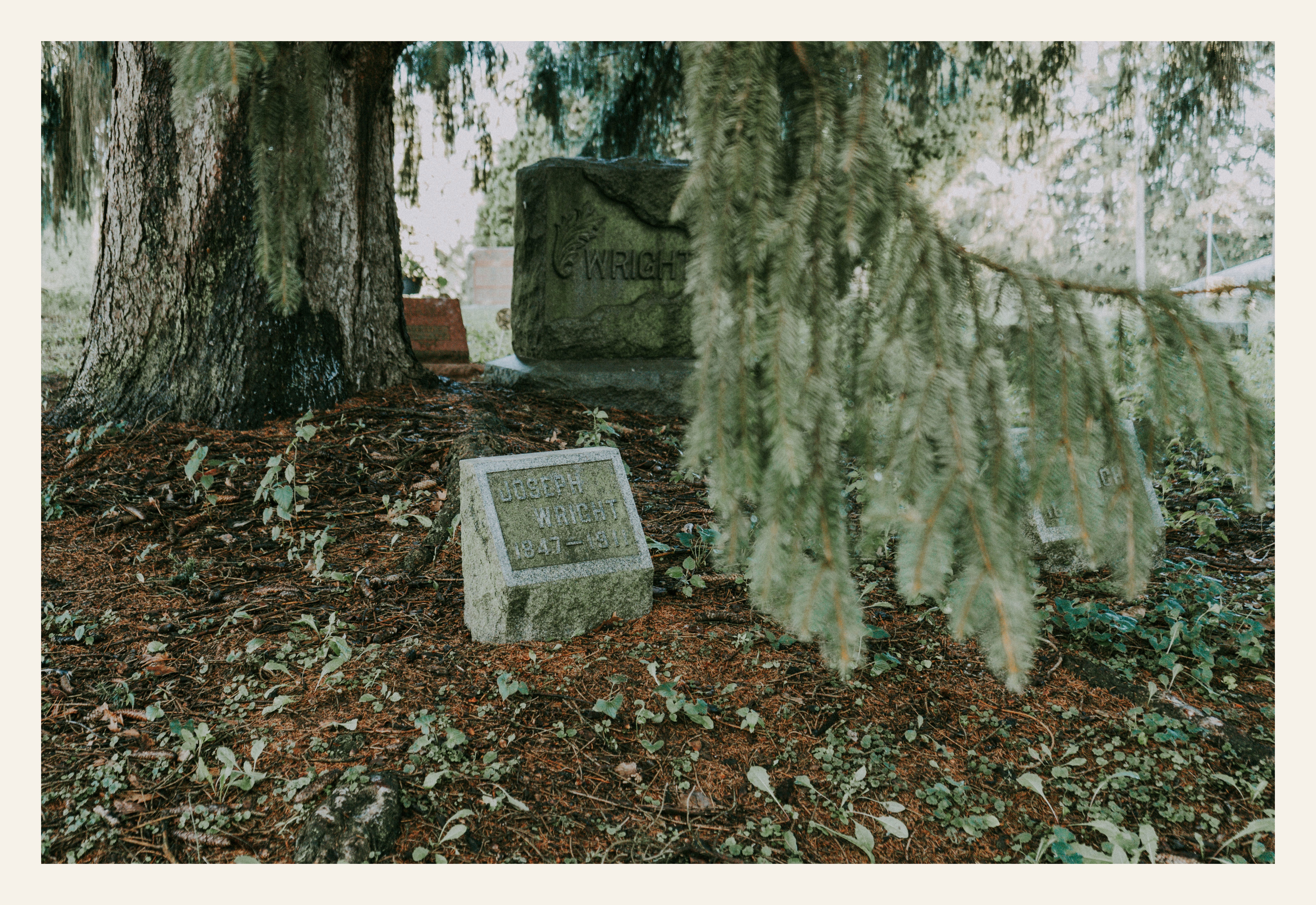
But it is the giant tree that draws you in. Some massive weeping specimen with branches that cascade down like a natural cathedral, seemingly protecting an inner section of plots where many of the headstones bear dates that break your heart. Children, mostly. The smaller stones tell their own quiet stories. “Our Baby.” “Gone Too Soon.” Names and dates that span mere months or single digit years.
And then there is the obelisk.
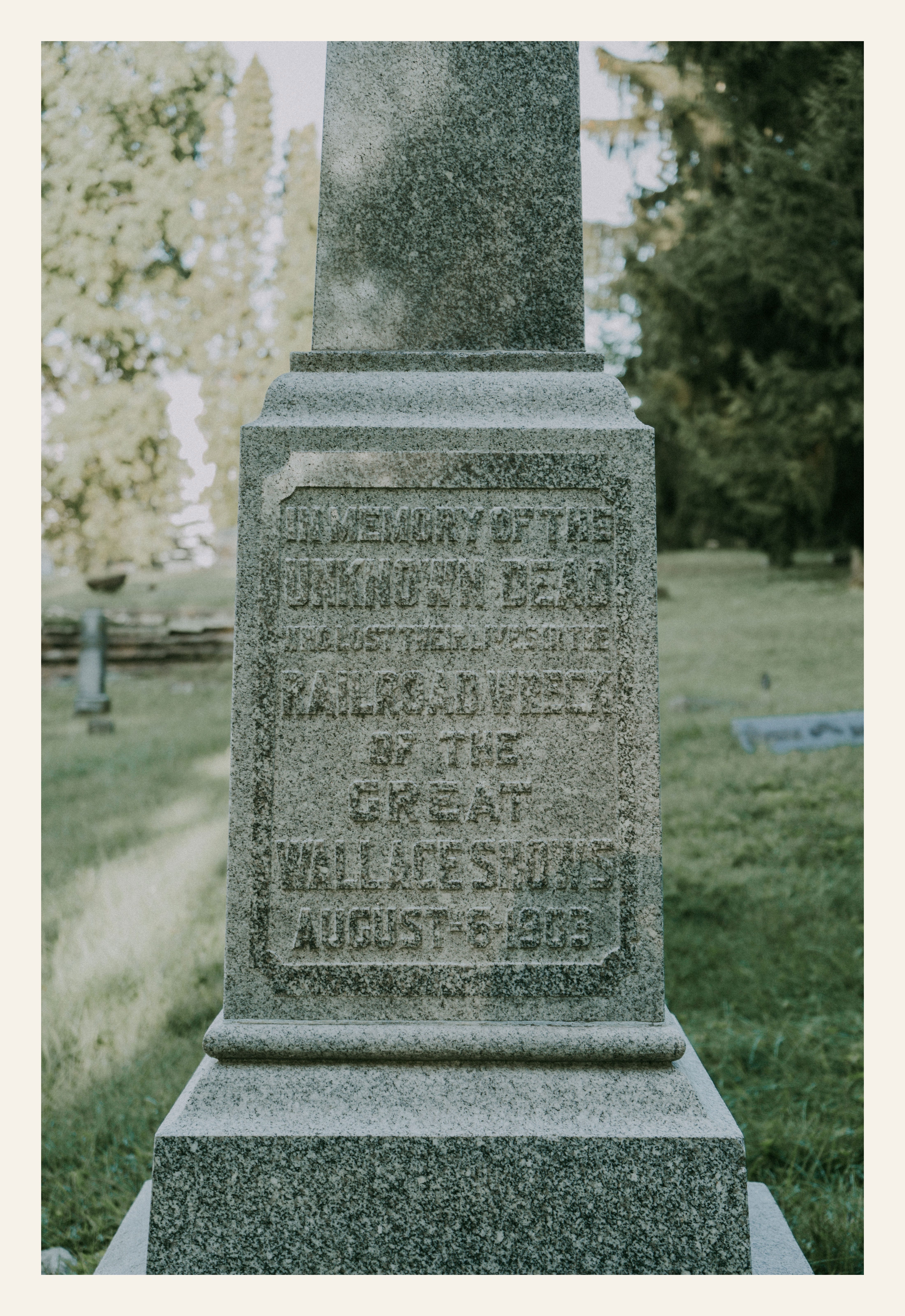
It rises from the earth near the cemetery’s entrance like an accusing finger pointed at the sky, gray granite weathered but still legible: “In Memory of the Unknown Dead… Railroad Wreck of the Great Wallace Shows – August 6th, 1903.” Ten people buried together, their names lost to history, but their story somehow more powerful for its incompleteness.
Durand has always been a train town. You can feel it in the bones of the place. The way the streets orient themselves toward the tracks, the way the old depot still squats near downtown like a patient dog waiting for its master to return. The Grand Trunk Railway made Durand into something more than just another Michigan farming community. It became a hub, a place where rails converged and diverged, where freight trains and passenger cars paused to take on water and coal before continuing their journeys across the vast American grid.
On the night of August 6, 1903, two sections of the Wallace circus train sat in those yards. The first section, heavy with equipment cars and a caboose full of workers, had stopped on the main line, a red lantern glowing behind it like a warning that was not quite warning enough.
Picture it. 3:45 AM in the rail yard. The kind of hour when the world feels suspended between night and morning. The first section of the circus train sits quiet on the tracks. In the caboose, men sleep the hard sleep of manual labor. Drivers and riggers, the invisible army that makes magic possible.
Thirty minutes behind schedule, the second section rounds the curve at fifteen miles per hour. Not fast by train standards, but fast enough. Inside the sleeping cars, the circus owners and performers rest easy.
Except the air brakes fail.
It is such a small thing, really. A mechanical failure. A system that had worked a thousand times before choosing this moment to give up. The locomotive plows into the rear of the first section with the inevitability of a Greek tragedy, metal meeting metal with a sound that wakes half of Durand and haunts the other half.
Twenty three people die. Maybe twenty six, depending on how you count those who linger for days before succumbing. The circus performers in the second section emerge mostly unscathed. But the men in the caboose become headlines for all the wrong reasons.
Later testimony would complicate the story. Some insisted the air brakes failed. Others testified they were tested afterward and found to be in perfect condition. Five sleepers in the rear car were later found standing nearly two coach lengths from the end of the train, the draw head jammed into one of the cars, evidence investigators argued that the brakes had not been fully applied. The truth, like the wreckage, was not neatly arranged.
In the weeks and years that followed, the grief moved from the rail yard to the courtroom. Lawsuits stacked quietly against the Grand Trunk and against Benjamin Wallace himself. Twenty five thousand dollars for the death of John Thompson. Thirty five thousand sought by an injured hoister named George Clough. Ten thousand filed by a widow administering her husband’s estate. Wallace, in turn, filed a sixty eight thousand dollar claim of his own, arguing that the railroad had contractually agreed to furnish engines and crews and to assume responsibility for all loss of life or injury while transporting the show. Even tragedy, it seems, must be itemized.
On August 27, 1903, a coroner’s inquest was held on the remains of the men killed in the wreck. Grand Trunk engineer Charles Probst testified under oath that he did everything possible to stop the train, but that the air brakes failed him completely.
After hearing from experts and railroad men, a local jury deliberated for three hours. The jurors were not industrial titans or distant executives. They were a hotel landlord, a former railroad worker, a miller, a businessman, a grocery clerk, and an insurance agent. They concluded that the failure of the air brake system on the second section caused the wreck, and that the engineer might have detected the problem had he watched the air gauge more carefully. They also suggested that the circus cars themselves were not properly fitted with the correct hand brakes. Responsibility, in other words, did not sit comfortably in one seat.
And it was not just the humans. Maud the elephant died along with camels and horses and dogs, the show’s menagerie reduced to casualties buried in unmarked graves beside the tracks. The papers make much of the elephant, because an elephant’s death feels biblical in its tragedy, but the horses and camels and faithful hounds are noted almost as afterthoughts.
The circus, of course, goes on. It always does. That season alone would carry the Great Wallace Show through sixteen states and one hundred eighty eight cities in eight relentless months. Fifteen railcars when Wallace first took to the tracks in 1886 had grown to thirty seven by 1903. Motion was the business model. Stillness was not an option. The Wallace Brothers salvage what they can, bury what they cannot, and within days the show is moving again toward the next town.
But Durand remembers.
The depot still stands. The rail yard still hums with freight trains. And in Lovejoy Cemetery, that obelisk still points skyward, marking the spot where ten anonymous lives intersected with mechanical failure and small town decency in a way that created something approaching immortality.
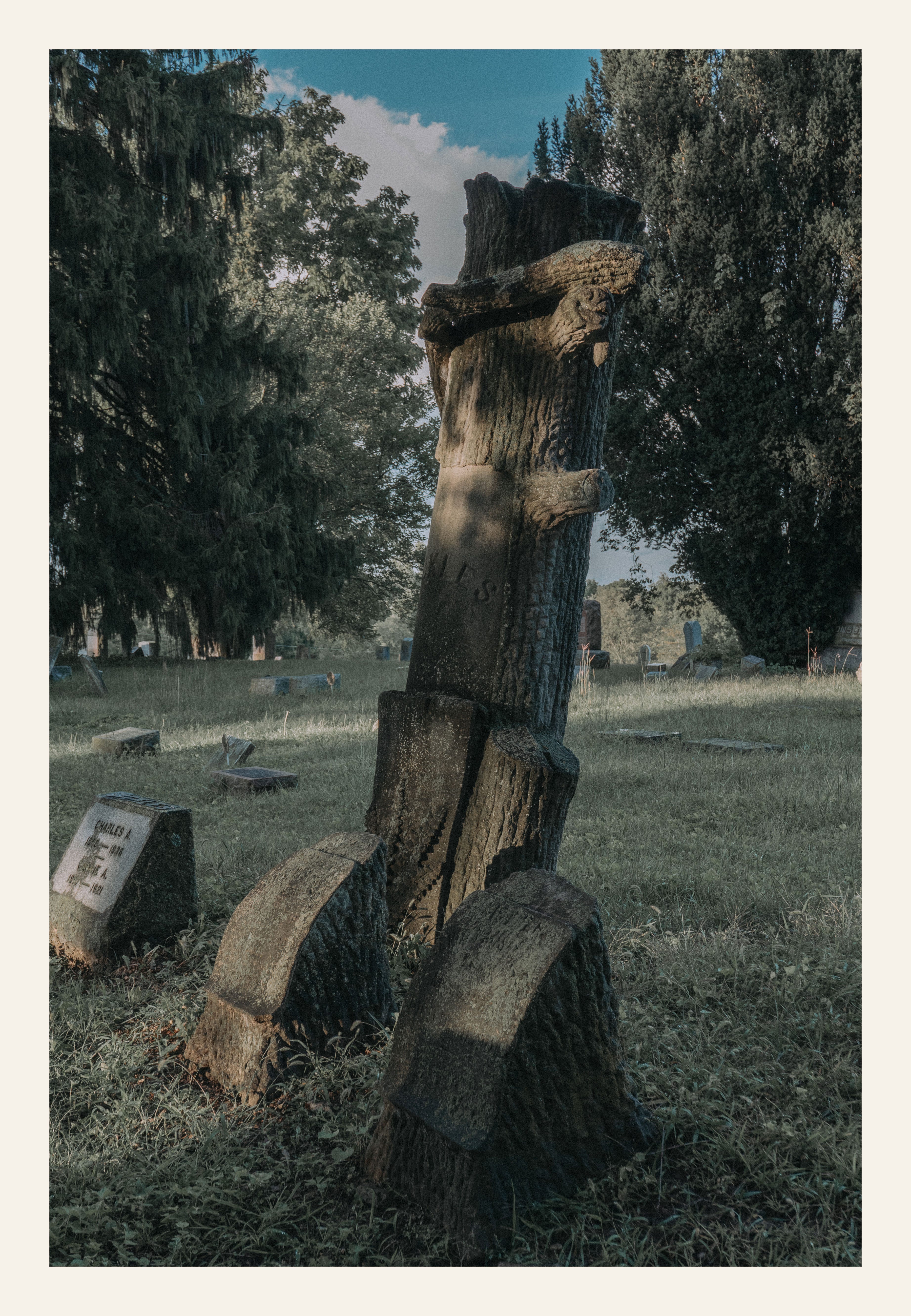
The mourning doves are still calling when I leave, their voices carrying across the farmland that stretches beyond the cemetery’s edge. In the gathering dusk, the weeping tree looks like a guardian angel with trailing wings, protecting its charges from a world that can be cruel in the most random ways.
This is why I visit cemeteries. Not for morbid fascination, but for the stories. The way individual tragedies become collective memory. The way a small town’s response to disaster can teach you something about human decency that you did not know you needed to learn.
The Unknown Dead of the Wallace Brothers circus wreck have been sleeping here for more than a century now, their names lost but their story preserved in granite and in the collective memory of a town that refused to let them disappear completely. It is not much, maybe, but it is something.
And sometimes, when the mourning doves call across the evening fields, something is enough.